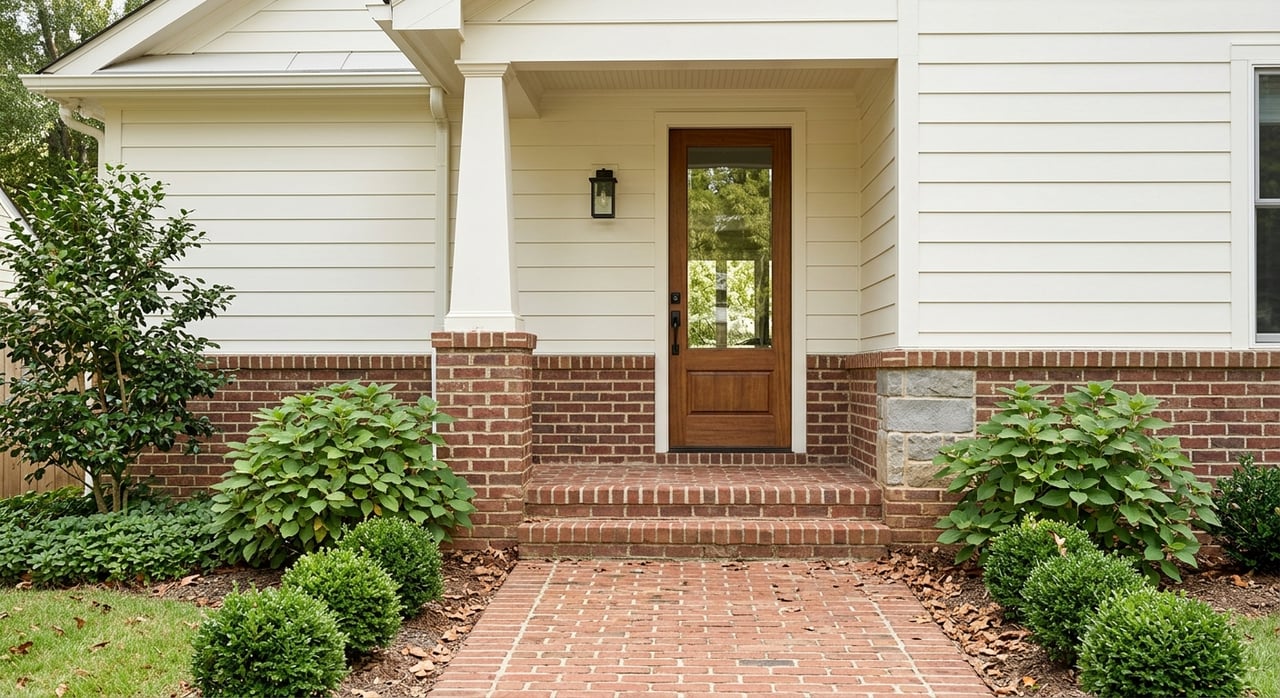
Trying to choose between a brand-new home and an older home with personality in Senoia? You are not alone. For many buyers, this decision comes down to more than style. It affects your budget, maintenance plans, lot size, and day-to-day lifestyle. The good news is that Senoia offers both, and each option comes with real advantages. This guide will help you compare new construction and character homes in Senoia so you can decide which fit makes the most sense for you. Let’s dive in.
Senoia Gives You More Than One Path
Senoia is not a market where one home style clearly wins. As of April 2026, the market is balanced, with a median listing price of $599,900, a median sold price of $560,000, 219 homes for sale, and a median 54 days on market. That means buyers often need to look closely at condition, location, lot size, and layout instead of assuming newer or older is automatically better.
In practical terms, Senoia gives you a wide range of choices. You can find compact new construction near downtown, larger homes in planned communities, historic homes with original details, and older homes on acreage outside the core. That variety is part of what makes the decision more personal than simple.
New Construction In Senoia
New homes come in different formats
New construction in Senoia is not all the same. Some options are designed to feel connected to downtown, while others follow a more traditional subdivision model. That gives you flexibility if you want newer systems and finishes but still care about setting and lifestyle.
One example is Gin Property, an in-town infill community within walking distance of Main Street. Current listings there include brownstones, single-family homes, condominiums, and live-work-play residences. One current cottage listing is 1,283 square feet on a reported 435.6-square-foot lot, priced at $524,700, with a $192 monthly HOA.
A different example is Heritage Pointe. This community reflects the move-up side of the market, with homes priced from about $483,200 and sizes around 2,873 to 3,661 square feet. A current quick-move-in home is 3,034 square feet on an 8,712-square-foot lot, with a $500 annual HOA and a builder warranty.
What buyers often like about new construction
If you want less immediate maintenance, new construction may be appealing. Newer homes are often marketed with warranties, modern systems, and energy-efficient features. That can make budgeting a little more predictable in your first years of ownership.
New homes can also offer layouts many buyers want today. Open living spaces, larger primary suites, newer kitchens, and current finishes tend to be common selling points. If move-in readiness matters more to you than architectural history, this may be the easier path.
What to watch for with new construction
The biggest trade-off is that newer does not always mean more land. In-town new construction can be very compact, especially near the historic center. If your priority is a big yard, room for hobbies, or extra outdoor privacy, some new builds may feel limited compared with older homes.
You should also pay attention to HOA structure and monthly costs. Some communities include dues and shared amenities, while others may be more basic. The right fit depends on whether you value managed amenities and neighborhood consistency or prefer fewer ongoing rules and fees.
Character Homes In Senoia
Older homes bring individuality
If you love details that are hard to recreate, Senoia’s character homes may stand out right away. Near downtown, older homes often offer architectural features such as heart-pine floors, stained glass, fireplaces, wraparound porches, and distinctive exterior styles. These homes tend to feel one-of-a-kind in a way that many newer homes do not.
Current examples show how varied this segment can be. A Main Street home dating to 1834 sits on 0.53 acres and retains period details and its original footprint. Another downtown home at 10 Standing Rock Road dates to 1896, is identified as a Queen Anne Victorian, and sits on 1.22 acres.
Older homes may offer more land
One of the biggest strengths of character homes and older properties in Senoia is lot size. Current examples range from half-acre settings in town to lots over an acre near the historic core. That can be a major advantage if outdoor space ranks high on your list.
Older options are not limited to the historic district, either. Established homes outside the immediate core can offer acreage and fewer restrictions. For example, a 1996 ranch on Highway 85 sits on 1.04 acres with no HOA, and a 2001 home on Skyview Road sits on 1.6 acres with no HOA.
Maintenance can vary widely
Character homes can be beautifully updated, partially improved, or ready for a major renovation. That range matters. A historic home may already have practical updates like a newer roof or earlier plumbing and electrical work, while another may be sold as-is and require significant planning and investment.
That means older homes reward buyers who are realistic. If you enjoy the idea of stewardship and can handle a longer improvement timeline, an older home may be a great fit. If you want a simpler first few years, you may prefer a newer build.
Historic Overlay Rules Matter
Some homes come with added review
If you are considering a home in or near Senoia’s traditional residential area around downtown, it is important to understand the historic overlay district. According to city guidance, that area includes mostly pre-1950 housing and contributing properties in the Senoia National Register District. It is also an area where the city places value on preserving historic character.
For properties inside the historic neighborhood overlay, city ordinance applies to new construction, additions, exterior changes, relocation, and demolition. Reviews are based on design, scale, building material, setback, and site features. Applications for Certificates of Appropriateness go through City Hall and the Historic Preservation Commission before a permit can be issued.
Why this matters for buyers
These rules do not automatically make a property harder to own. They do mean you should ask more questions before you buy if you plan to change the exterior, add on, or significantly alter the structure. Knowing the review process upfront can help you avoid surprises later.
For some buyers, this added structure is a fair trade for living in a distinctive historic setting. For others, it may feel too limiting. The best choice depends on how much freedom you want for future projects.
Comparing The Trade-Offs
Lot size and outdoor space
If outdoor room matters most, older homes often have the edge. Current examples range from a reported 435.6-square-foot lot for an in-town new cottage to 1.01- and 1.22-acre historic lots. Larger-lot new construction exists, but lot size can vary dramatically depending on the community.
HOA and governance
Many new homes come with HOA dues, and some include amenities like a clubhouse, aquatic center, tennis courts, and playground. Older homes in established areas may have no HOA at all. If you prefer fewer shared rules, some older options may appeal more.
Maintenance and updates
New construction usually offers modern systems and a more turnkey experience. Older homes can range from updated and ready to enjoy to full renovation projects. Your comfort level with repairs and ongoing upkeep should play a big role in your decision.
Style and feel
New construction may borrow traditional forms, especially in or near downtown. Still, truly period features are usually found in older homes. If original woodwork, stained glass, or a wraparound porch are part of your dream, a character home may be hard to beat.
Price and value
Senoia’s median listing price is around $600,000, but age alone does not determine price. Current examples show new construction starting around the mid-$400,000s and moving into the $500,000s, while historic-core homes can land in the mid-$500,000s, the $600,000s, and much higher for standout properties. Location, lot size, updates, and walkability all influence value.
Which Option Fits You Best?
New construction may fit if you want
- More move-in-ready condition
- Modern layouts and finishes
- Potential builder warranty coverage
- Community amenities
- A more predictable maintenance outlook
A character home may fit if you want
- Original architectural details
- More land or outdoor space
- A unique home with a distinct feel
- The option to renovate over time
- A location tied closely to historic Senoia
How To Make A Smart Decision In Senoia
Start with your daily lifestyle, not just your Pinterest board. Think about how much yard you want, whether you are comfortable with HOA dues, how close you want to be to downtown, and whether renovation work excites you or stresses you out. Those answers usually point you in the right direction faster than age alone.
It also helps to compare homes by total ownership picture instead of headline price. A newer home may bring HOA dues but fewer near-term repairs. An older home may offer more land and more charm, but could also require updates or city review for future exterior work.
In a balanced market like Senoia, you usually have room to be thoughtful. That is a real advantage. You can weigh your options carefully and focus on the home that supports your lifestyle, budget, and long-term plans.
Whether you are drawn to a brand-new build or a home with history, local guidance can make the process easier. The right strategy is not about choosing what is popular. It is about choosing what works best for you. If you want help comparing neighborhoods, home styles, or resale considerations in Senoia, reach out to The Hayes Team to schedule your free consultation & home valuation.
FAQs
Is new construction cheaper than an older home in Senoia?
- Not always. In Senoia, price depends on location, lot size, updates, and walkability, not just age. Current examples show both new and older homes across a wide price range.
Do historic homes in Senoia usually have larger lots?
- Many do. Current examples near the historic core include lots from about half an acre to more than one acre, while some in-town new construction is much more compact.
Do homes near downtown Senoia have special renovation rules?
- Some do. Properties within the historic neighborhood overlay may require city review for exterior changes, additions, relocation, demolition, and some new construction work before a permit is issued.
Are there new homes in Senoia that are walkable to Main Street?
- Yes. Current in-town examples include new-construction options within walking distance of Main Street, showing that buyers do not have to choose only between historic homes and suburban-style new builds.
Can you find older homes in Senoia without an HOA?
- Yes. Current examples outside the immediate historic core include older homes on acreage with no HOA, which may appeal if you want more land and fewer neighborhood fees.
What matters most when choosing between a new and older home in Senoia?
- The biggest factors are usually lot size, maintenance expectations, HOA structure, renovation tolerance, and how much you value historic character versus move-in-ready convenience.