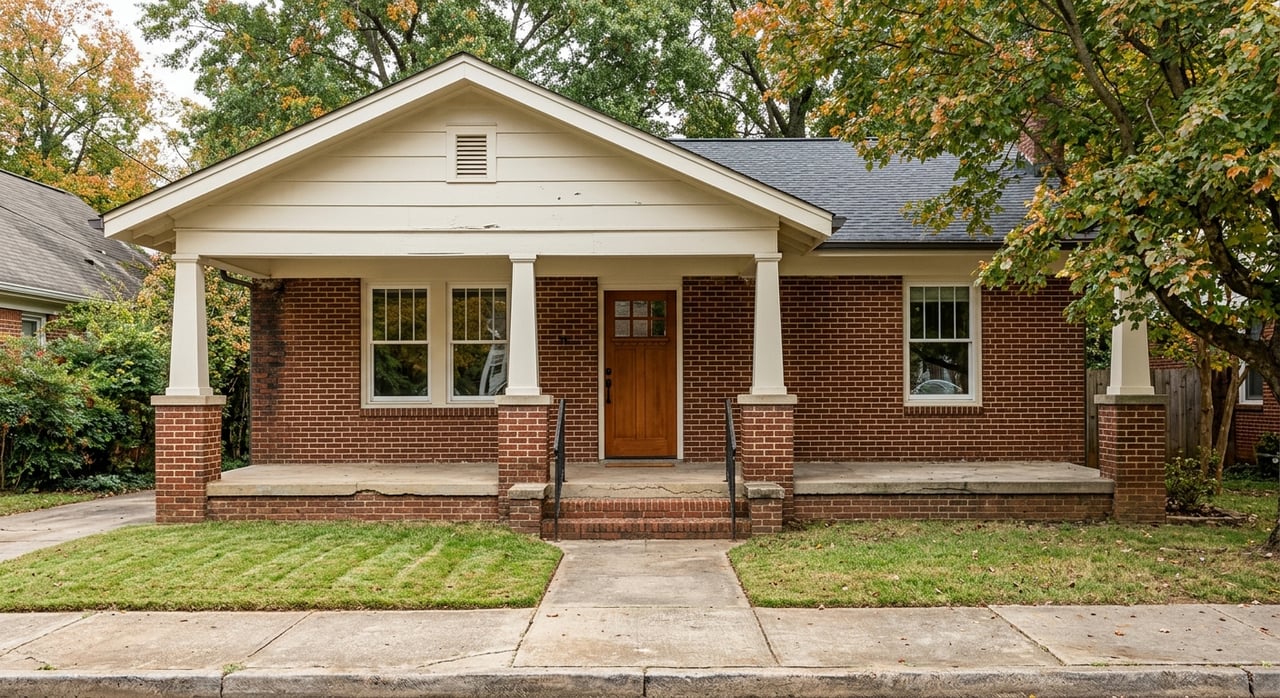
If you are thinking about buying in Opelika, one big question comes up fast: what kind of home actually fits your life here? This is not a one-note market, and that is part of what makes it appealing. You can find older in-town homes with architectural character, newer construction tied to the city’s growth, and edge-of-town properties with more land and a different pace. This guide will help you sort through those options so you can focus your search with more clarity and confidence. Let’s dive in.
Why Opelika Offers More Than One Market
Opelika sits in east central Alabama along Interstate 85, about 30 miles from Columbus, Georgia, around an hour from Montgomery, and about an hour and fifteen minutes from Atlanta’s airport. Because it is contiguous with Auburn and part of the Auburn-Opelika metro area, many buyers see it as part of a broader regional housing market rather than a standalone small town.
That regional pull helps explain why Opelika keeps growing. The U.S. Census Bureau estimated the city’s population at 35,005 in July 2024, up from 30,995 in the 2020 Census. For buyers, that growth shows up in the form of active development, changing inventory, and housing choices that can feel very different from one part of the city to another.
Current market snapshots also suggest a market that is active, but still more accessible than many larger metro alternatives. Different housing platforms report different pricing methods, yet they cluster in the low- to mid-$300,000s. The shared message is simple: Opelika offers options, but well-priced homes can still move quickly.
Historic Homes in Opelika
If you love character, mature streetscapes, and homes that feel distinct from one another, Opelika’s older in-town areas may stand out right away. The city identifies several historic areas, including the Downtown Central Business District, Geneva Street Residential Area, Northside Opelika Residential Area, and Pepperell Mill and Village.
These areas offer more than age alone. City materials describe Northside as home to styles such as Victorian, Neoclassical, Mission Revival, Tudor Revival, Colonial Revival, Minimal Traditional homes, and cottages. Geneva Street includes Carpenter Gothic, Queen Anne-influenced homes, and Arts and Crafts bungalows, while Pepperell Mill and Village adds mill-village housing and duplexes, often with Craftsman details.
What Makes Older In-Town Homes Appealing
Older homes in Opelika often attract buyers who want a strong sense of place. You may find larger lots in some areas, established streets, and architecture that newer subdivisions cannot easily replicate.
You may also enjoy being closer to the downtown core and the everyday convenience that can come with a central location. For many buyers, that mix of charm and setting is the whole point.
What Buyers Need to Watch
Historic-home ownership comes with extra planning. In Opelika’s historic districts, exterior improvements, alterations, repairs, additions, demolition, new construction, signs, fencing, and outbuildings require a Certificate of Appropriateness before the normal permit process can move forward.
That does not mean historic homes are the wrong choice. It means you should go in with realistic expectations about remodeling flexibility, timelines, and the need to confirm what is allowed before starting exterior work.
Budgeting for an Older Home
When you compare older homes, look beyond the purchase price. You may want to leave room in your budget for repairs, maintenance, and renovation reserves, especially if systems or finishes are dated.
Opelika notes that rehabilitation of eligible historic properties may qualify for federal or state preservation tax incentives. The city also lists programs such as facade grants, emergency home repair loans, and homeownership loans for eligible low- and moderate-income households. If you are considering an older property, those local resources may be worth reviewing as part of your planning.
New Builds and Newer Subdivisions
If your wish list starts with modern layouts, newer systems, and fewer immediate repair questions, new construction may be the better fit. In Opelika, this is not a side story. It is a major part of the local housing picture.
The city’s Planning Department manages zoning and subdivision regulations, and the Planning Commission reviews and approves new subdivisions. For buyers, that means new construction in Opelika is tied to an active city planning process rather than scattered one-off development.
Why New Construction Is a Big Story
Opelika has been managing substantial residential growth. In 2026, the city launched Smart Growth Matters as part of a temporary development moratorium tied to infrastructure review. The city stated that in 2025 more than 2,000 new residential units were entitled, with more than 6,500 residential lots and more than 2,500 townhouse, multifamily, or mixed-use units already approved or in planning or construction.
That is a strong sign that newer inventory and future pipeline product will remain a major part of your choices in Opelika. If you are relocating or want more floor plan options, that can be a real advantage.
What Buyers Often Like About Newer Homes
The biggest draw is often predictability. A newer home may offer a more standardized buying process, updated materials, and less immediate uncertainty about repairs or renovations.
That can be especially appealing if you are moving on a tight timeline or prefer a home that feels move-in ready from day one. For some buyers, less upfront maintenance is worth giving up some architectural uniqueness.
What to Consider Before You Buy New
Buying new in Opelika also means buying into a city that is actively managing growth. Roads, utilities, zoning decisions, and future nearby development may continue to change as the city evaluates how new housing affects infrastructure and daily life.
That is why it helps to look past the model home and ask practical questions. You will want to understand the stage of development, likely nearby construction, utility setup, and how the surrounding area may look a few years from now.
Rural and Edge-of-Town Properties
If you want more land, more privacy, or a lower-density setting, rural or edge-of-town properties may be your best match. These homes offer a different ownership experience than either a historic in-town property or a newer subdivision home.
For many buyers, the appeal is simple. You may get more outdoor space and a different day-to-day feel while still benefiting from Opelika’s location along I-85 and its connection to the broader Auburn-Opelika area.
Why Rural Homes Require More Due Diligence
A rural purchase often comes with more technical homework. The Alabama Department of Public Health notes that septic systems are used where municipal sewer is unavailable or impractical, and private well owners should have their water tested because private wells are not monitored in the same way as public systems.
Opelika’s permit process also flags septic certification as part of construction workflow when a property uses septic. So if you are considering a home outside more connected in-town areas, utilities should be one of your first checkpoints.
Practical Tradeoffs to Expect
The upside is usually space and privacy. The tradeoff is that you may need to plan for septic maintenance, possible well testing, access issues, and a different commute rhythm than you would have closer to downtown or in a more built-out neighborhood.
That does not make rural property harder in a bad way. It simply means your search should include more questions about infrastructure and long-term upkeep.
How to Match the Right Home Type to You
The best Opelika housing choice often comes down to what you value most day to day. Each category offers real advantages, but each asks for a different kind of flexibility.
Choose a Historic Home If You Want:
- Architectural character and unique design details
- A central, established setting
- Strong neighborhood identity
- Proximity to Opelika’s historic core
- A home you are willing to maintain thoughtfully
Historic homes may be a great fit if charm matters more to you than easy remodeling freedom.
Choose a Newer Home If You Want:
- Modern floor plans
- Newer systems and finishes
- A more predictable maintenance profile
- A streamlined buying process
- Access to a fast-growing segment of the market
A newer home may make the most sense if convenience and move-in readiness lead your list.
Choose a Rural Property If You Want:
- More land
- More privacy
- A less dense setting
- Flexibility in how you use your space
- Some distance from the pace of in-town living
A rural property can be a strong option if you are comfortable doing more upfront due diligence on utilities, access, and maintenance.
Budget for More Than Price Alone
No matter which home type you prefer, it helps to compare the full cost of ownership. In Alabama, single-family owner-occupied residential property is assessed at 10 percent of appraised value, and millage rates vary by location. The state also notes that a homestead exemption may apply to a primary residence.
In practical terms, your budget should include more than principal and interest. Property taxes, insurance, utilities, septic or well upkeep where applicable, and renovation reserves for older homes can all shape what a home truly costs you month to month.
Be Ready for an Active Market
Opelika is not standing still. Market data points to a somewhat competitive environment, with homes selling in about 40 to 41 days and sale activity often landing near asking price.
That means preparation matters. If you are serious about buying here, it helps to have a clear budget, a strong pre-approval, and a realistic understanding of how quickly the right home can move.
The good news is that Opelika gives you real variety. Whether you are drawn to a bungalow near the historic core, a newly built home in a growing subdivision, or a property with more land on the edge of town, the key is finding the version of Opelika that fits how you want to live.
If you are weighing your options in Opelika or planning a move from Georgia into nearby Alabama, The Hayes Team can help you compare neighborhoods, narrow your search, and move forward with a clear plan.
FAQs
What types of homes can you find in Opelika?
- Opelika generally offers three main housing paths: historic in-town homes, new builds and newer subdivisions, and rural or edge-of-town properties with more land.
What should you know about historic homes in Opelika?
- In Opelika historic districts, many exterior changes require a Certificate of Appropriateness before the normal permit process can move forward.
Is new construction a major part of the Opelika housing market?
- Yes. The city has reported thousands of residential lots and units already approved or in planning or construction, making new development a major part of the local market.
What should rural Opelika buyers check first?
- You should confirm whether the property uses septic or a private well and review related documentation, maintenance needs, and water testing where applicable.
How close is Opelika to Georgia for relocation buyers?
- Opelika is about 30 miles from Columbus, Georgia, and its location on I-85 makes it relevant for buyers considering cross-border moves or commutes.
What costs should you compare besides the sale price in Opelika?
- You should compare property taxes, insurance, utilities, possible septic or well upkeep, and renovation reserves for older homes, not just the purchase price.