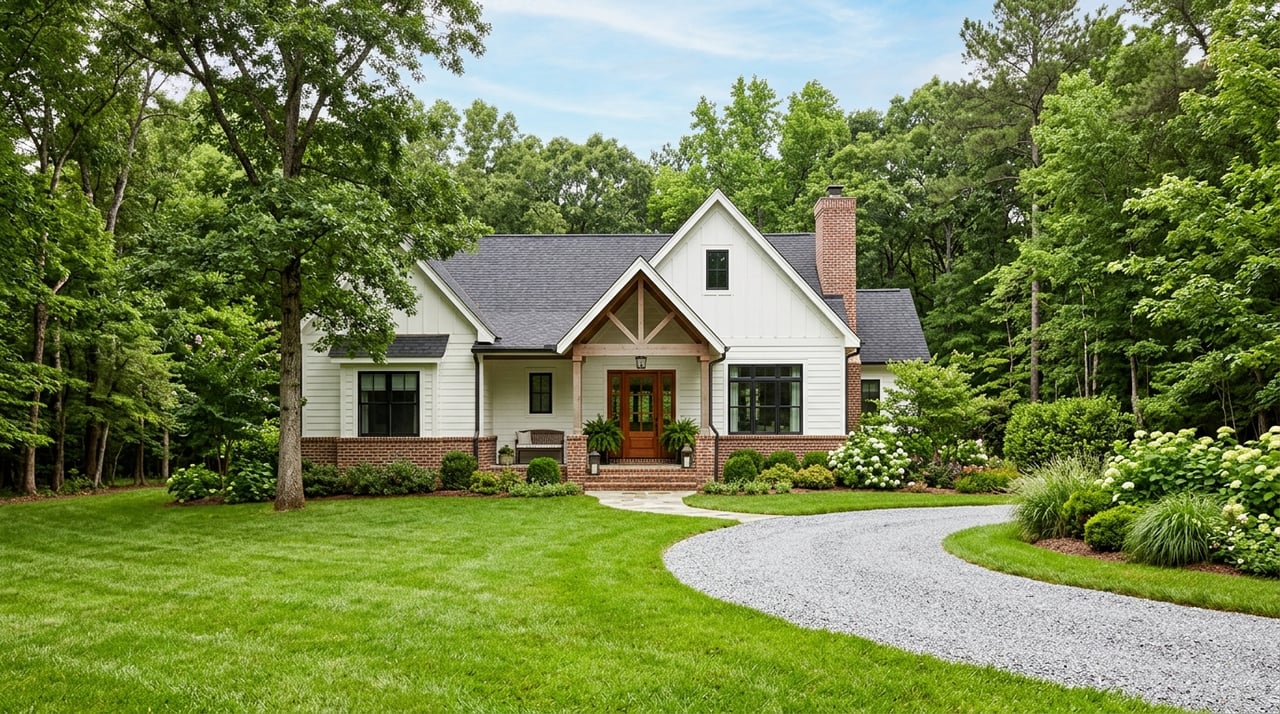
Buying land near Moreland can look simple at first glance. You see open space, imagine your future home or small acreage, and start picturing what life could look like there. But raw land is not the same as buying a house, and the right parcel depends on more than price and location. If you are thinking about land near Moreland, here is what you need to check before you make an offer. Let’s dive in.
Start With Jurisdiction
One of the first things to confirm is whether the property is inside the Town of Moreland or in unincorporated Coweta County. That matters because the review and approval process is different depending on where the parcel sits.
The Town of Moreland has its own government and public notices, and those notices show that land-use activity still goes through a formal review process. You can see that on the Town of Moreland public notices page, which includes recent notices tied to rezoning and long-range planning updates.
If the parcel is in unincorporated Coweta County, the county handles zoning, permitting, and floodplain-related review. The Coweta County Zoning Division manages rezonings, conditional use permits, variances, and site plans, and it requires a pre-submittal meeting before certain applications move forward.
Check Zoning Before Anything Else
Zoning is one of the biggest factors in whether a parcel fits your plans. A tax record description alone is not enough. You need to check the actual zoning map, the ordinance, and any special overlays or development rules that may affect the property.
Coweta County provides tools through its zoning resources, including an interactive map, a static zoning map, and ordinance documents. Those are all linked through the county’s zoning page, and they can help you understand what is allowed today versus what may need additional approval.
This is especially important if you want to use land for more than a standard homesite. The county’s zoning materials specifically reference a Neighborhood Agribusiness Conditional Use Permit, which is a reminder that some farm-adjacent or rural business uses may require special review instead of being allowed automatically.
Understand Moreland-Area Land Use
If you are shopping for a larger tract, it helps to know the broader land-use pattern in Coweta County. According to the county’s land-use map, categories include residential, commercial, industrial, public or institutional, transportation, and open land.
The county also notes that much of its land area is agricultural or forestry land, defined there as parcels of 10 acres or more with no structures. That can be useful context if you are looking for hobby-farm acreage or a more rural homesite near Moreland.
Confirm Legal Access
A beautiful parcel is not very useful if access is limited or uncertain. Before you move forward, confirm that the property has legal road access and that your intended driveway location is realistic.
This step becomes even more important if the parcel fronts a state route. The Georgia Department of Transportation explains that access management and driveway permitting are used to help protect traffic flow, safety, and roadway capacity. In practical terms, that means frontage on a major road does not automatically mean easy driveway approval.
If access is a question mark, it is worth slowing down and getting answers early. That is much easier than finding out later that your build plans need to change.
Verify Utilities Parcel by Parcel
Utility availability is one of the most common surprises in land purchases. You should not assume water, sewer, power, or gas are available just because nearby homes exist.
Coweta County’s maps and GIS hub includes a tax parcel viewer, zoning information, and a Water & Sewage Authority map that can help you review water-line and sewer connectivity. Those tools are useful for early research, especially when you are comparing multiple parcels.
The same county resource also points to utility information showing that service providers can vary across the area. Power may come from different providers depending on the location, and water or sewer availability can change from parcel to parcel. For many buyers, this is the point where the conversation shifts from "Can I buy this land?" to "Can I actually build what I want here?"
Septic Can Make or Break a Deal
If public sewer is not available, septic feasibility becomes critical. This is often one of the biggest issues with smaller tracts or lots that look buildable on paper but do not work well in practice.
The Georgia Department of Public Health’s On-Site Sewage Management Systems Manual gives recommended minimum lot sizes of 43,560 square feet for a non-public water supply and 21,780 square feet for a public water supply. It also recommends minimum lot widths of 150 feet and 100 feet, respectively.
The same manual states that each lot needs unobstructed area for both an approved onsite sewage system and a replacement system. It also notes that rights-of-way and easements that prevent septic installation do not count toward lot size. That is why a lot that seems large enough may still have limitations once septic layout is reviewed.
Floodplain Review Matters
Floodplain status is another major item to check before closing. If the parcel is near a creek, stream, or river, you will want to know whether any part of it falls within a mapped floodplain.
Coweta County’s floodplain management page says the county participates in the National Flood Insurance Program and keeps current FEMA Flood Insurance Rate Maps available for review. The county also notes that lenders may require flood insurance when a property appears to be in a delineated floodplain.
This review is not just about insurance. It can also affect where you place a home, driveway, septic system, and other improvements. That is why floodplain, river corridor, watershed, and recharge-related review should happen early in the process.
Know That Permits Come Later
Buying land is only the first step. Even after closing, a future build still depends on permits and code compliance.
Coweta County’s Building Permits & Inspections Division oversees code requirements tied to building, fire prevention, grading, plumbing, electrical, setbacks, zoning, and floodplain regulations. The county also issues permits for systems such as electrical, plumbing, and manufactured housing.
That means a parcel may be attractive and properly zoned, yet still require multiple approvals before construction can begin. For buyers, it helps to think of land as a feasibility purchase first and a lifestyle purchase second.
Review Deeds, Plats, and Easements
Land due diligence should also include public records research. You want to know what the deed says, whether there are easements, and whether the plat matches what you believe you are buying.
The Coweta County Superior Court Clerk Real Estate Division maintains county real estate records, including deeds, liens, and plats. These records can reveal issues that may affect access, build area, financing, or future use.
This is one reason raw land usually requires more research than a home purchase. With a house, much of the site work has already been tested by prior use. With vacant land, you are often the one connecting the dots.
Ask Better Questions Before You Offer
Before you write an offer on land near Moreland, it helps to have a simple checklist. A few direct questions can save you time, money, and frustration.
Here are some of the most important ones to ask:
- Is the parcel inside the Town of Moreland or in unincorporated Coweta County?
- What is the current zoning, and would your intended use require a rezoning, variance, or conditional use permit?
- Does the lot have legal road access?
- If it fronts a state route, will a GDOT driveway or encroachment permit be required?
- Are water, sewer, electricity, and gas available at the site?
- If utilities are not available, will you need a well, septic system, or utility extension?
- Is there enough usable area for both a septic system and a replacement area?
- Is the parcel in a floodplain, river corridor, or recharge district?
- Do the recorded deeds, plats, and easements support your intended use?
Why Local Guidance Helps
Land purchases near Moreland often require coordination across several agencies and systems. Depending on the parcel, you may need to review town notices, county zoning, GIS mapping, utility availability, septic guidance, floodplain mapping, and public records before you feel confident moving forward.
That is where experienced local guidance can make the process smoother. You want someone who can help you spot early red flags, ask the right questions, and keep your due diligence focused on what matters most for your goals.
If you are considering buying land near Moreland and want a practical, step-by-step approach, connect with The Hayes Team. We help buyers navigate land, homesites, and acreage opportunities across Coweta County with clear communication and local insight.
FAQs
What should you check first before buying land near Moreland, GA?
- First, confirm whether the parcel is inside the Town of Moreland or in unincorporated Coweta County, because zoning, permitting, and review paths differ.
How do you verify zoning for land near Moreland, GA?
- You should review the county zoning map, ordinance documents, and parcel-specific details through Coweta County’s zoning resources instead of relying only on a tax record description.
Why is septic review important for vacant land near Moreland, GA?
- Septic review matters because a lot needs enough suitable, unobstructed area for both an onsite sewage system and a replacement area, and not every parcel will qualify.
Do you need to check floodplain maps before buying land near Moreland, GA?
- Yes, especially if the parcel is near a creek, stream, or river, because floodplain location can affect financing, insurance, and where you can place improvements.
Can you assume utilities are available on land near Moreland, GA?
- No, utility availability should be confirmed parcel by parcel, since water, sewer, electric, and gas access can vary by location.
What records should you review before closing on land in Coweta County?
- You should review deeds, liens, plats, and easements through the county’s real estate records to better understand access, title issues, and development limits.